






GOOGLE ADWORDS EXPANDED TEXT ADS – HOW ARE THEY CHANGING PAID SEARCH?
Earlier this year, Google announced expanded text ads that would change the way PPC advertising would work. The main change is that instead of having a 25-character headline with two 35-character descriptions, you’d have two 30-character headlines and an 80-character description to play with.
So what effect does this have on PPC advertising? There are a few things that you’ll need to keep in mind.
Uniformity Across Devices
One of the goals of expanded text ads is to make advertising more uniform across devices. Previously this year, Google cut out side ads on desktop, removing some of the distinction between mobile and desktop devices and—incidentally—allowing more space for ads. This was a natural lead in for expanded text ads.
More Words, More Freedom
Ultimately, expanded text ads allow for nearly 50% more text, and the structure changes somewhat. This doesn’t just mean you’ll have more room to convey your message—you’ll also need to restructure your ads to make the best possible use of the new format.
Some of the rules remain the same. Your headline will most likely be read first, and the description last (if at all), just as before. But now that you have two headlines, you’ll be able to incorporate more information, a stronger call to action, more engaging wording, etc.
You’ll also need to prioritize what goes where, since the first headline will almost certainly be noticed, but the second headline (depending on the device and the length) may appear on a second line or even be truncated.
Mind Your URL
Another change that has been made is the way your URL is displayed in the ad. Expanded text ads extract the display URL from the final URL, which you can then customize with up to two paths tacked on to the end. It’s best to match these paths to your ad’s keywords to make it more relevant—and thus more likely to be clicked.
For more information on PPC services, call or contact the office of Accelerate Online Marketing today.
5 REASONS TO RUN SEO AND PPC TOGETHER
When determining their online marketing strategy, many companies feel like they need to opt for either SEO or PPC. After all, they both ultimately achieve the same end—attracting visitors to your site and increasing revenue. Using both might seem redundant.
The truth is it’s not redundant at all. SEO and PPC do reach the same ultimate goal, but they do so by different means. PPC is highly targeted, whereas SEO is more organic, and the two can bolster each other dramatically. Following are five reasons why the two should be combined:
- Expanded data: When researching the effectiveness of keywords, using SEO and PPC helps you figure out what’s most effective by providing more overall data. This lets you quickly figure out what changes to make and increase clickthrough and conversion rates more promptly, making you more agile.
- PPC generates results quickly: Not only does PPC bolster keyword data, but it does so very quickly. This makes it optimal for testing keywords prior to use in an SEO campaign.
- SEO helps find long-tail keywords: Just as PPC helps inform short keywords, SEO can help you gather data on long-tail keywords. It does this naturally, and it can help you improve your PPC campaign with more targeted wording.
- Dominate the results page: A very practical way that PPC and SEO help each other out is by essentially doubling your presence on search engine results pages. Assuming both your ads and your content are well designed, you’ll be able to have organic results as well as paid ads appear on relevant searches.
- SEO can reduce PPC costs: In certain industries, high ranking keywords will demand a large price for PPC. In these cases, it’s more cost-effective to use these expensive keywords for SEO while targeting the cheaper ones in your PPC campaign.
At the end, the two combined add up to far more than either could accomplish independently. Contact the dedicated Digital Rockstars at Globe Runner to learn more about how our Dallas SEO services and PPC services can benefit your business.
GALLERY 550 OPENING AT GLOBE RUNNER HQ A SMASHING SUCCESS

On Thursday, October 13, Globe Runner held its third official Gallery 550 exhibition at its Addison, Texas, offices and it was a resounding success.
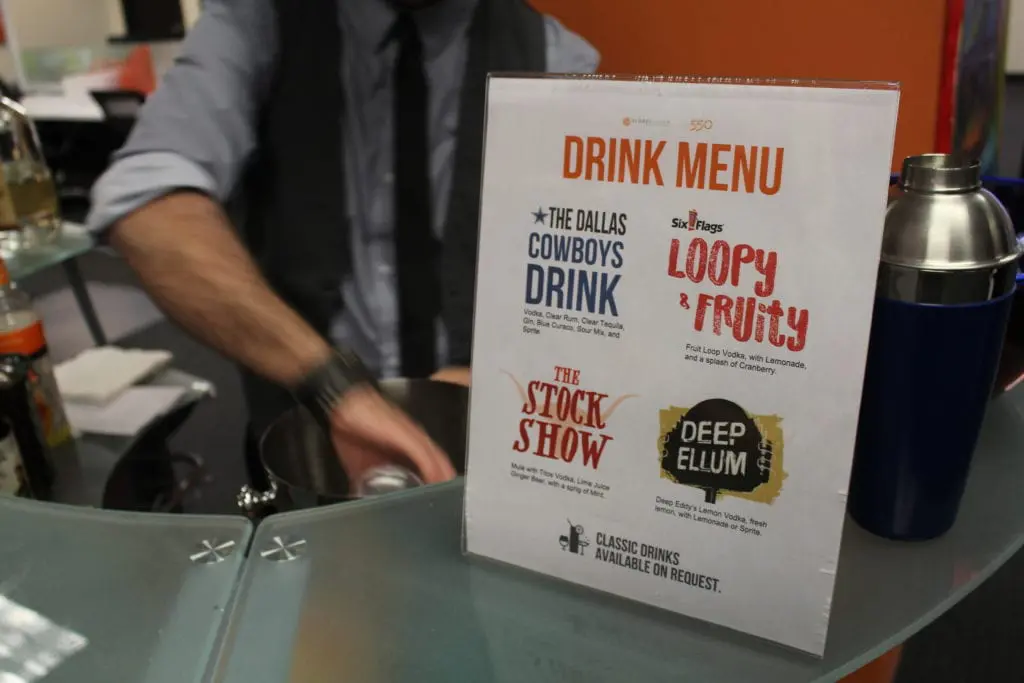
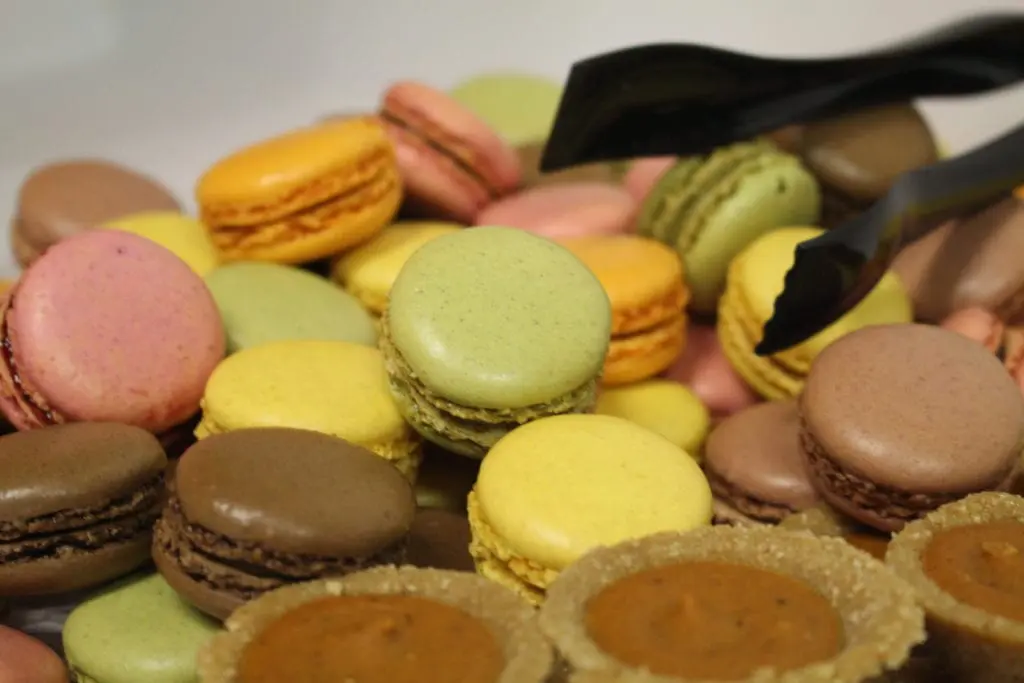
Clients, members of the public and employee family and friends flooded into the office to see what artist Alejandro Castanon cooked up (the open bar didn’t hurt either). What they found were inspired, vibrant paintings depicting some of Dallas’ most iconic landmarks, from the Old Red Courthouse to the city skyline, as well as a host of pieces dedicated to musicians such as Amy Winehouse, The Beatles and Kurt Cobain.
Alejandro and the Globe Runner team decided the best way to spice up the event would be to raffle off a live painting. A portion of the proceeds from the raffle was donated to Breathe Boldness, a foundation created by Dallas Cowboy Joshua Thomas with the goal of feeding 100 million homeless people.
Alejandro and the Globe Runner team decided the best way to spice up the event would be to raffle off a live painting. A portion of the proceeds from the raffle was donated to Breathe Boldness, a foundation created by Dallas Cowboy Joshua Thomas with the goal of feeding 100 million homeless people.



Huechteman Photography
WHICH HALF OF YOUR MARKETING IS WORKING?
Have you ever thought to yourself, half of my marketing works just don’t know which half?
It’s a common problem that marketers run into and owners definitely face. Some have tried to conquer that problem and I will say there are a lot of things that can be done to figure out which half of your marketing is working.
I would like to go deep on that topic and figure out what we can do to track marketing better and determine what’s actually effective and what is a complete waste of money.
Call Tracking
Some of the tools that we use are call tracking, so what we like to do is track every single phone call that comes in to the business. Ideally we put a dynamic call tracking number on the website. That way each individual user that makes a phone call gets a different phone number. By showing them a different phone number, we know exactly which user triggered the call. By knowing the user, I know which campaign they came in through. The other thing we can do is separate out last click attribution from original click attribution.
Click Attribution
So let me break that down for you. What I mean by that is last click attribution is the last thing that they did before they made a purchase. I attribute that campaign with the visit. Let’s give an example. If somebody saw an ad that you were running on Facebook and came to your website but did not purchase, they left your website and came back a week later and made a purchase. But when they came back, instead of coming through Facebook, they came from google search. Which one of those campaigns actually drove that sale?
Was it the last click or the first click that purchaser made? Well they are both important actually. But I would really like to know whether or not my Facebook campaign was effective and generating more awareness that then brought that customer back later. I would like report, and what we do today is implement some very sophisticated marketing software that allows us to tie back the original time that a visitor came to my website. We know exactly when they came to the website first. When they do identify themselves by making the purchase, I can connect the dots between the final purchase and the first time they visited us.
So now we know the entire life cycle. and we can report back, last click attribution and initial awareness, or first click attribution.
Those are just 2 methodologies that we use to report to clients how we are performing as an agency and which campaigns are performing which ones are winners, which ones are dogs.
GLOBE RUNNER CEO ERIC MCGEHEARTY APPEARS ON PLAYMAKERS TALK SHOW
PlayMakers Talk Show
We are thrilled to announce our very own CEO of Globe Runner Eric McGehearty will be joining PlayMakers Talk Show on 770 KAAM this Friday, September 30 at 3 pm.
Be sure to tune in! If you miss the Friday show, don’t worry because there will be an Encore Presentation on Saturday at 2 pm.
For those who don’t know, Eric is an entrepreneur and thought leader. His writings on business and entrepreneurship have been published in Forbes, Octane Magazine, and Yahoo Small Business Advisor.
In is not so “free time” he is a nationally recognized artist showing in galleries, museums, and public spaces. His sculpture in Fort Worth was recognized by America for the Arts as one of the top 40 pieces in 2007.
Eric is also the co-founder of the non-profit Stand UP LD a support network for parents and educators seeking resources to support and inspire children with learning differences.
Play below to listen to a promo for the show!
MICRO-MOMENTS: BREAKING DOWN ‘I-WANT-TO-BUY’ MOMENTS
Micro-moments are the small instances each day when someone uses a mobile device to quickly search for a bit of desired information. One type of moment, called an “I-want-to-buy” moment, centers around using internet searches to help with purchasing decisions. These moments present a massive opportunity for companies looking to attract buyers.
‘I-Want-To-Buy’ Moments Defined
An “I-want-to-buy” moment is any instance when you search for information to help with a purchase. This can include both on-the-spot purchases (like which brand of cologne to buy during a shopping trip) and large investments (such as buying a house).
These moments are often spread throughout the day, made either before a shopping excursion, while in the store, or over the course of days, weeks, or months prior to a large purchase. The one thing all these instances have in common, however, is the fact that they usually result in a purchase.
The following scenario breaks down what actually happens in these moments.
Scenario
Let’s suppose Doug is out on a grocery trip during which he intends to buy something to help with his athlete’s foot. He finds the foot cream section in the store and notices a wide variety of different brands, the prices of which range from around $6 (for a 10oz generic brand) to $60 (for a 4oz name brand).
How does Doug decide? He certainly doesn’t want to spend $60 on a small tube of foot cream, but what if the cheaper brands don’t work at all? He does a quick search for reviews on his phone to help him choose a brand.
Making the Most of the Moment
Doug’s not going to sit there forever sifting through content, so if you’re in the foot cream business, you need to provide content he can find and digest quickly. Creating this kind of content involves planning and online marketing savvy. During the process, consider what your audience needs to know prior to making purchasing decisions. Well-executed content will draw customers during these moments.
For additional help with “I-want-to-buy” moments, contact us at Accelerate Online Marketing today.
CREATE A POSITIVE USER EXPERIENCE
Let’s talk about User experience, or UX. So why is it so important? I think it’s pretty obvious that we want the website to appeal to our viewer, but that’s not to say we want a beautiful website. Yes, we want an attractive website, but I want a website that actually functions, that has a functional user face that’s easy for consumers.
There’s a couple things to think about.
Let’s start with desktop. So, if you’re on a desktop, is it easy to see the call-to-action? Is it easy to fill out the form? Is it easy to navigate to the information that I want? Does the scrolling help or detract from the website?
Depending on the site, there can be a very different answer for that. So user experience is very situational, not all websites are alike and not all users are there for the same purpose.
Think about your various users:
Take a university website for example, a great example, or a city website. You have lots of different buyers coming to the site for different reasons. Universities have students, teachers, and potential students, applicant’s parents. They all want something different out of that site. Providing the information they want and making it easy for them to access that information is critical.
Mobile Use
That’s not all, we’re not done. We’ve only really talked about desktop. How do we make the same experience just as good on mobile or tablet or any other UX that you can think of? How do we make the person interact with the device and the device isn’t a barrier and the website isn’t a barrier for the information or decision that they are trying to make.
Hopefully that decision is to reach out and call you, and not your competitor. That’s why we take user experience so seriously.
Now, I wouldn’t stop there. Don’t just make it look good. Implement some software that will test it right. Do some iTracking software, some click tracking software, maybe do some ab testing to get your user experience up to snuff.
It’s worth the investment.
MICRO-MOMENTS: BREAKING DOWN ‘I-WANT-TO-DO’ MOMENTS
Mobile devices, and especially smartphones, have revolutionized the way we use the internet. Online searches are now faster and more focused than ever before, often taking only a minute or two. Being able to provide what users are looking for in a quick, digestible manner is the core of online marketing today.
The brief moments people spend online are referred to as “micro-moments.” Google has divided these into four categories, one of which is “I-want-to-do” moments.
‘I-Want-To-Do’ Moments Defined
One of the reasons why people go online is to learn how to do something. The time they spend online researching how to perform various tasks is concentrated and brief, so to fulfill their needs (and increase the odds that they’ll come to your brand), you need to make sure the content you publish online is designed to quickly provide what people are looking for.
Scenario
To break down “I-want-to-do” moments, let’s look at a common scenario. Suppose Penelope has spotted a bit of mold in the sink that grew over the past week while her roommate’s dishes were sitting there unwashed. She knows that mold is difficult to remove, but she’s not sure what to do about it.
So she pulls out her smartphone and does a quick search for “how to remove mold.” She doesn’t have much time to spend researching this, so she’s likely to go with the first promising-looking result that comes up.
Making the Most of the Moment
Most of us know that mold is pretty difficult to remove, generally requiring certain chemicals. But who’s going to let Penelope know what she needs? If your content is well designed, it will be you. To satisfy her need in this moment, your content should:
1. Be optimized for search engines so it comes up high on the list.
2. Provide answers quickly in a digestible, easy to navigate format.
3. Give complete, reliable information.
The challenge is doing all this in one piece. Our skilled digital marketing experts in Dallas can help you there. Contact Accelerate Online Marketing for help working with “I-want-to-do” moments today.
GOOGLE PUSHES MAP PACK DOWN WITH ORGANIC RESULTS
UPDATE: Our discovery was picked up on 09-15 by Barry Schwartz at Search Engine Roundtable with comments from others in the industry.
Many are already familiar with Google’s Local Map Pack. Originally known as the ‘Local 7 Pack’, where 7 local businesses were featured, we saw it cut down to just 3 being featured in August 2015. Landing a spot in the Map Pack, whether it’s been 7 or 3 listings, has provided local businesses many benefits, including:
1. Enhanced visibility in search results
2. On occasion, 2 organic listings – one in the map pack and another in the traditional organic results
3. Reviews, phone numbers, and other items featured that encourage / make it easier for customers to reach you
Google Pushes Map Pack DOWN with Organic Results
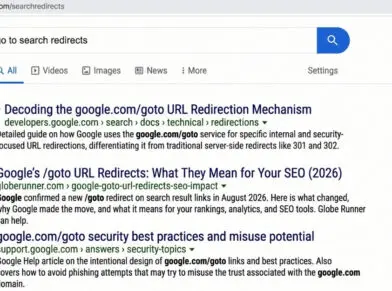
Originally, the Map Pack came directly after paid ads which appeared at the top of the page. But this morning, Daniel Thomason, one of our senior SEO specialists, noticed multiple organic listing appearing ABOVE the map pack, in addition to paid ads:
As you can see in the image above, 4 paid ads are still featured at the top, but directly under those paid ads and BEFORE the 3 Pack are 4 organic results.
This means the local map results are HALF WAY DOWN THE PAGE!
How Did We Find This?
In this case, a search for ‘air duct mold removal’ triggered the results. It appears Google might have interpreted this as a do-it-yourself query, as the first 4 results have info on how to tell if you have mold in your air ducts, steps to remove it, etc.
This was the first time anyone on our team had seen this and we hadn’t seen chatter of it online either. We’ve got a discussion started at the Local Search Forum if you’ve got any input or can replicate these results.
How Might This Affect Local Businesses?
Clearly, this is not good for local businesses trying to achieve high organic visibility in Google.
From a mobile perspective, we’ve already seen the local map get pushed off the screen just due to paid ads appearing above it, but now it could potentially be even further down with these organic results included above.
For desktop searchers, it likely prevents a certain amount of results from ever being seen by them.
We know through use of user-tracking tools that people are very unlikely to scroll through pages to find what they’re looking for. Similar to what’s happened with mobile, this pushing down of the map pack makes it more likely searchers end up going to a paid ad to solve their problem, regardless if that company’s actually the closest service provider to them, the best reviewed, etc.
Final Thoughts
We don’t think this is something to freak out over – everybody in our industry knows Google’s always testing things in their search results. In fact, when searching ‘air duct mold removal’ later in the day, we saw results without any local map, results without any paid ads, and results with an answer box at the top.
But we do think it’s something to watch and be concerned with – local SEO is filled with enough challenges already, and if this becomes a standard feature in Google’s search results, it’ll be another challenge we face.
- « Previous Page
- 1
- …
- 21
- 22
- 23
- 24
- 25
- …
- 44
- Next Page »