










Marketing Your Retail To Go Services
With Texas Governor Greg Abbott’s most recent executive order (April 17, 2020), our state’s non-essential Texas retailers can begin offering “retail to-go” services this Friday. This is a fantastic opportunity for retailers to recoup some of the revenue that was lost over the past month when stores were shuttered. So what is your plan for marketing your retail to-go program?
What is Retail to-Go?
Retail to-go means selling your retail merchandise without customers coming into stores. Stores are still closed to the public, but orders can be accepted online or by phone and retailers can ship merchandise, deliver it or offer curbside pickup.
What Does Retail to-Go Marketing Include?
Depending on your situation, retail to-go marketing may include a wide range of communication vehicles and marketing tactics. It will most definitely include a component of online marketing – a website with photos of your products, business pages on social media channels, and email marketing to your client base. You may have some of these in place already, but what updates are needed to get back in business quickly? Some changes you may consider might include:
- Add e-commerce capabilities to your existing website
- Make website changes or additions to let customers know about retail to-go
- Market and sell your products on your social media pages
- Deploying an email marketing campaign to promote your retail to-go services
- Search engine optimization to ensure your products are discovered by interested customers
- Paid search ads to be sure your products are prominently displayed in searches
Rocket Fuel for Retail
Hopefully, you have been keeping your customers informed during the COVID-19, so you’re on their radar and they’re anticipating your return to the marketplace. The start of retail to-go means it’s time to go full blast. If you need the help of an online marketing agency with more than a decade of experience, Globe Runner is your partner. We are here to help inject your retail operation with rocket fuel, propelling it to success. If you’re ready to blast off, call us at (972) 472-8528 for a free digital marketing consultation.
8 ADVANTAGES OF OUTSOURCING DIGITAL CONTENT MARKETING TO THE PROS
In business, some departments are mission critical. At a minimum, you need a leader to make the decisions and an accounts payable principle to send out checks each week. (Because let’s face it, no matter how nicely you ask them, no one’s going to work for free.) A sales team is great for making sure money continues to come in, but without the right collateral, they could fall short.
This brings us to the age-old question: is marketing considered essential? We say emphatically, yes! But just because you need it, doesn’t mean you need it in-house. In fact, marketing is one of the easiest tasks to outsource.
Here’s what business savvy brands have to gain by doing so.
1. A new vantage point can widen your reach.
Though it makes sense to do business with a digital marketing agency that knows your industry, getting a fresh perspective could be a big boon for your business. As an outsider, the view from where they’re sitting could look drastically different from yours. This allows them to zero in on untapped markets and design compelling content that targets new potential customers. While your core consumers may not change, they can help pivot your messaging to appeal to wider audiences.
2. Work won’t halt because of the holidays.
What happens when a flu bug threatens to take down your small staff? How do you handle a holiday mass exodus? When you outsource your digital marketing to an agency, you don’t have to worry about any of the above. They work year-round to keep your content continuous. This means staying top of the charts, never letting your SERP suffer due to sickness or season. Your blog posts will keep your keyword strategy strong, and your social content will elicit eyeballs to your brand.
3. You don’t have to keep up with every SEO update.
500-600. That’s the number of algorithm updates Google implements each year! Do you have the fungible funds to pay someone to watch for, learn, and teach everyone about the roughly two changes a day? No?! A digital agency is a good alternative. It’s their job to stay on top of – and master – updates, both major and minor.
4. Save money while increasing your output.
Salary aside, employees are expensive. Insurance premiums alone can increase into double-digit percentages year over year. Not to mention the obligatory cost of living raises instated by most companies. To stay competitive, many business are also finding that on site amenities up to and including snacks or standing desks are the best, if only, way to hire competitively. By contrast, working with a digital marketing agency can save you big compared to the cost of bringing on an in-house entry-level marketing pro. You usually pay a monthly retainer, but only for the services you request, not the benefits.
5. You won’t have to manage your marketers.
With an outside agency, you’ll be in constant contact, but it won’t be because you’re micro managing. Focus on building a strong internal team without having to expend energy onboarding, even as you expand.
6. Drastically cut your turnaround time.
No matter how strong her work ethic, a one-woman department simply can’t keep pace with an entire agency. She might be lucky if she can turn out a well-written blog post and a few social media snippets between meetings. Hire an external marketing team and complete complex campaigns in a fraction of the time.
7. Expand your content marketing creations.
You know that complex campaign you just launched? If you contracted with a digital ad agency it’s likely to have all the bells and whistles. We mean everything – from clickable PPC ads and viral social media posts to HD video ops and strategically placed PR articles. Agencies are more likely to have experts in every communications channel and can send your marketing collateral skipping across every single one of them.
8. Focus on nurturing leads, not generating them.
Finally, digital marketing agencies help you build your brand so you can concentrate on building your business. They’ll free you up to take your leads down the sales funnel and all the way to the bank.
So what do you say – are you in to outsource? We’re all hands on deck.
CHATTING ABOUT CHATBOTS: MECHANIZE YOUR DIGITAL MARKETING IN 2019
Worried a robot is going to eventually take your job? This blog post may or may not allay your fears. However, if you’re ready to improve your digital marketing strategy in 2019, better build a bot.
If chatbots still sound too 2049, simply think of them as a form of marketing automation.
You probably already use automation in your email drip campaigns to help reach your target audience and generate leads. Bots work similarly.
Chatbots are inexpensive, programmable software that can be designed to automatically carry out any number of tasks quickly and accurately. Their conversational nature can save you tons of time, and early adopters have seen benefits from increased conversion rates to streamlined operations. (More on these in a bit!)
Not sure if automation is right for your business? Let’s talk about just six of the ways chatbots can help take your brand into the future.
1. Never miss an inquiry.
No need to have your employees work the graveyard shift or pay them time and a half for a holiday. Chatbots work 24/7 365 days a year and you’ll never hear them asking off in the middle of your busy season. They’re also helpful in fielding floods of inquiries, so whether you’re getting more web traffic from that cute and clever copy you wrote or from a potent new product, you’ll be ready for the deluge.
2. Do more without hiring more employees.
Hiring new staff means taking a chance on potentially ill-suited personalities. It also comes with more time-off requests (see above) and increased expenses. Whereas chatbots are like a team of employees who always do exactly as they’re told (programmed) for a fraction of the cost. In most cases, a bot can be bought for a few hundred to a few thousand dollars depending on functionality.
3. Market to Millennials.
The overwhelming majority of millennials would rather converse via text than over the phone. Live chat satisfies their instant gratification expectations and allows them to conduct their comparison shopping without commitment. From your end, it’s simply another touch point in which to promote your brand and squelch any concerns that might impede the sale.
4. Increase conversions.
Having a hard time getting traction with your email marketing campaigns? According to Chatbotslife, “Chatbots are seeing open rates of 80%+ and CTR’s of 25%+.” Now, imagine several hundred repeat customers seeing your latest promotional offering. You could be staring down some serious sales.
5. Make internal communications simpler.
With all this talk of digital marketing, it can be easy to overlook the real machine that makes your operation run: your team. Having a system in place to streamline and enhance your internal communications can mean the difference between duplicated tasks and redundancies, and everyone being on the same page working toward the same goal. Bots can be particularly helpful if some or all of your team work remotely.
6. Personalize your online ads.
Who prefers personalized ads? 71% of consumers. You can happily and easily oblige with chatbots on your site. Not providing a customized user experience? You can be sure your competitors are, so time to chat up or bot out. Chatbots can even help you with the preliminary task of information gathering about your core demographic. Their simple if/then formula makes it easy to base responses on the answers users provide in your initial questioning.
Still think bots are bits of dark magic designed to put you out of a job? Try shifting your perspective a little and seeing them for the engagement and traffic tools they are. Use them wisely and let the results speak for themselves.
Not sure which bots are best for your biz? Let’s have a chat.
COZY UP TO THESE WINTER EMAIL MARKETING BEST PRACTICES
This year, email marketing drove roughly 25% of Cyber Monday sales. By some estimates, effective email campaigns are responsible for about the same in overall holiday sales, too.
Let’s put that into perspective. The National Retail Federation reported $691.9 billion in holiday sales from November to December 2017 alone.
Could your business use a quarter of $700 billion? Of course it could. Use these winter email marketing best practices to get your cut.
‘Tis the Season for Sending
The power of email marketing is best captured by its ability to increase conversions, generate new leads, and improve customer lifetime value. But at a time of year when you’ll be competing with some 41 billion other holiday promotional emails, you can’t afford to not be on your A game.
Good email marketers also know that if they do their job right, they’re likely to make up to 20% more sales during November and January than any other time of the year. These increases are largely fueled by the relative success of their Fall and Winter marketing campaigns. The more they can capture and hold a customer’s interest now, the better they’ll be able to plan future campaigns when the calendar rolls over.
Below are some tips to give your holiday email campaigns their highest revenue-boosting chance during this peak sales period.
1. Keep it personal.
Personalize your email messages and you’re likely to increase your open rates to about 19%. This is roughly 5% higher than those non-personalized promos.
Try sending customers curated offers and promotions that complement purchases or services of Christmases in the past. You’ll also want to make sure you’re using email segmenting to target folks who’ve shown interest in a particular product but have yet to make a purchase. (More on this in a bit.)
2. Give Tuesday tidings.
Over and over again, email automation studies show that Tuesdays are the best day of the week to send promotional emails. More specifically, 10 am seems to be the sweet spot for firing off holiday, or year-round, email campaigns.
If you’re feeling skeptical, you can always test and track your open rates and CTRs. This will give you an idea of when your audience is likely to be the most receptive.
3. Refresh your mailing list.
No matter how clever your copy, regardless of how great your graphics, you’re still likely to have some inactive recipients. Whether they’ve changed email addresses or simply can’t be persuaded to hear you out, you need to get them off your mailing list. (And maybe on to your naughty list.) If you don’t, you run the risk of it severely dragging down your deliverability rates. Plus, the only real value is marketing to the right people.
Here’s where we continue to sing the praises of email segmentation. It’s an evergreen way to improve your email marketing, and that goes double during the holiday rush. When you segment your email list, you’re able to target your messages to recipients who are primed to receive it – and act on it!
If you’re not sure where to start, use your buyer personas to help you figure out the most strategic way to segment your products or services.
4. Make sure it’s mobile-friendly.
There’s just no getting around this one. If you want your email campaigns to land, they need to be optimized for mobile.
Not only do some 75% of Gmail users access their accounts through their phones, Google’s “How People Use Their Devices: What Marketers Need to Know” study revealed that users are fixated on their phones for about 3 hours every day. About 2/3rds more time than they’re spending on their computers.
Mailchart’s Holiday Email Marketing Report also showed an impressive 63% of emails are read on mobile devices. There’s even been a 65% increase in smartphone sales since 2015. But herein lies the problem: of those targeted, strategically sent emails, less than half were optimized.
A few things you can do to optimize your holiday email marketing campaigns for mobile include:
- Using alt text. This way graphics that load slowly will still convey a message. You can also optimize the images themselves to cut back on load time and come through more crisp.
- Sending responsive templates. Otherwise, your content can get distorted to an illegible degree.
- Shortening your subject lines. They’re the biggest determining factor as to whether your email gets read or recycled. It’ll also help break up content in a digestible way.
Finally, don’t forget to check out your holiday marketing emails on your own phone. Bonus points if you look on an android and apple model!
5. Don’t forget less common holidays.
Sure, Black Friday and Cyber Monday are heavy-hitters, but they’re certainly not the only seasons to send. In fact, there are lesser known events during the holiday whirlwind that are less competitive, in terms of email influx, but no less potentially lucrative.
Think about creating some winter solstice promos. Or make a special full moon related coupon. You can also celebrate the starts of the seasons. Keep an eye on the weather, too. Unusual or intense weather events may be the perfect excuse to offer something extra cozy.
6. Create time-sensitive offers.
Few folks get away from feeling rushed during the holidays. Email marketers can put the pressure on by promoting early bird prices or installing an interactive countdown clock to their email template. At the very least, make sure your subscribers are aware of your holiday shipping cut off dates, lest they wake up Christmas morning to an empty stocking.
Before you hit send on your next holiday email marketing campaign, remember that executing it effectively can mean the difference between high engagement and more momentum for the new year, and a lump of coal in your inbox.
TIS THE SEASON FOR SEARCH MARKETING MIRACLES
2018 is rounding to a close. Even as we type these words we still can’t believe it ourselves. It was a big year in search marketing and an even bigger year for our full-service digital agency.
Over the last 12 months, we made two huge strides that have helped us live up to our Globe Runner namesake. Between our two big wins at this year’s American Advertising awards and being named one of Inc. Magazine’s Top 10 Fastest Growing Marketing and Ad Agencies in the Dallas-Fort Worth Metro, we’re well on our way to running our corner of the globe.
Join us for a humble brag as we look back on our accolades – plus, some key content marketing strategies that helped us get here.
Globe Runner – an Inc. 5000 Company
4203. That’s our official ranking on Inc. magazine’s 37th annual Inc. 5000. We’re now settled firmly among the admired ranks of other fast-growing, privately-owned companies in the nation.
How did we do it? Well, for starters, we grew our sales 81% in three years, making our Addison, Texas company one of a handful of digital marketing agencies who made the cut.
Yes, we’ve come a long way from our 2009 humble beginnings.
However, we’ve continued to maintain our original mantra: to help companies grow digitally. Though our mission has remained consistent, we’re continually adding new tools and experts to our full-service digital marketing agency, offering clients an internet marketing experience that’s a bounty of in-house creative design, SEO, SEM, and content marketing solutions.
In fact, it was the creative team that was responsible for our next major victory in this year of firsts.
Globe Runner – an Award-Winning Digital Agency
Next, lend us your ear as we sing the praises of our out-of-this-world team. Creative powerhouses Eddie Hale and Brett Dougall spearheaded long-time client Muenster Milling’s new Ancient Grains dog food line and packaging system.
The revamp resulted in Globe Runner taking home two Addy awards (Bronze and Silver) from the American Advertising Federation.
With two prestigious Addy Awards lining our shelves, we’re (humbly) touting ourselves as award-winning comprehensive Dallas digital marketing agency and SEO consultants extraordinaire.
And for good reason.
With the more than 40,000 entries the American Advertising Federation receives each year, the competition was stiff, to say the least. Their mission to reward the art of advertising aligns with our mission to provide our Dallas SEO clients with unparalleled creative strategy.
Essential Search Marketing Must-haves
Are search marketing and content marketing one in the same? Hardly.
Though there’s plenty of overlap, each is nuanced and has a specialized role in increasing web traffic and leads. We used a combination of both to help propel our agency to new heights this year.
Here’s a quick checklist of digital marketing must-haves for 2019 to send your brand into orbit:
- Long-term commitment to content. We all understand the value of posting regularly, but all that time you spent creating content and writing great blog posts is wasted if you treat it as a one and done situation. One easy way to commit to your content over the long term is to go back and update past posts that have done well. Add to their word count, bring them up to date. You’ll be surprised how much it can positively impact their SERP.
- Write longer posts. Speaking of lengthening your content, more and more studies show that pieces in excess of 2,000 words see more web traffic than the shorter, average 500-word article. Try getting quotes from experts or members of your team. You can also ask members of different departments to do short write-ups then edit them together for a more uniform and expanded post.
- Consult your buyer personas. How can you create an effective content marketing strategy without knowing who it is you’re talking to? It’s the main reason our digital agency is big on buyer personas. Every piece of content you publish should be written with one or two of these people in mind. Make sure your entire team has access to them and is so familiar they refer to them on a first name basis.
- Engage for more engagement. Having a conceptual understanding of who your target audience is, is one thing. Conversing with them is something else entirely. Make it a point to engage with everyone who’s engaging you. Whether you’re replying to comments they post on your feed or following them directly, the more up close and personal you can get, the more conversions you’ll see.
- Analyze your analytics. This should go without saying, but as an SEO firm, data is our bread and butter. Use it to see which posts are performing well and gear your strategy to make more of the same.
Stay tuned to see what we roll out next year! And if you’re ready to ignite your brand with a little search marketing rocket fuel in 2019, make contact with our creative combustibles.
DIGITAL MARKETING TRENDS TO RULE 2018: Q4
Part 4 of a quarterly digital marketing guide from our agency experts.
They say all good things must come to an end. In this final segment of our quarterly digital marketing trends for 2018, we’re committed to helping you complete the year on top of the world.

For the last time this calendar year, we’ve used our collective brainpower to construct a snapshot of the digital landscape. Flashpoints in SEO strategies and social media marketing, as well as PPC and web dev developments, await you.
Think back on your business goals at the beginning of the year. We’re here to make sure no box is left unchecked. As you prepare to blast out of 2018 and into the next fiscal year, let this final digital marketing mix help you warp speed past the competition.
Here’s your digital dose of everything fueling 2018 marketing trends in Q4:
Technical SEO/Link Building:
1. FAQ, Q&A and How -to search snippet results
Soon there will be even more ways to showcase your content in Google. At last month’s Singapore conference, Google showed what types of previews users will see in their search results. The idea is to use a variety of Q&A, FAQ, or How-to formats to make sure search results are as relevant and useful as possible.
2. New Search Console
Soon, owners will have more access to manage access and adjust permissions for users and other sites. Reporting features are also more robust, promising swift and welcomed changes to the search console.
3.Responsive search ads
Could you use a third headline and little more descriptive text in your responsive search ads? Google has given the green light for you to text long and prosper. You’ll now have up to 90 characters to make your elevator pitch in responsive and text ads!
Social/Content Marketing:
1. Hootsuite updates
Hootsuite Inbox Beta gives you swift, consolidated access to your Twitter Direct Messages and Facebook Private Messages. If you’re looking for an additional channel to connect with customers, this will help. Monitor your messages from multiple profiles for increased oversight of complaints and compliments. Be aware these have taken the place of your Twitter Inbox and Outbox Direct Message Streams.
Hootsuite Explore isn’t yet available to everyone, but likely will be. The feature helps source brand mentions from anywhere on the web so you can tune into the conversations that matter most. They’ll even put them in a timeline where you can segment and analyze based on filters like the location.
2. Live video!
It’s become a big deal on social networks like Facebook. You’ve probably seen them start to pop up on the right-hand side of your feed. Now, you can read comments and respond to users in real-time. Why is this important? According to Livestream, “80% of audiences prefer watching live video from brands as opposed to reading a blog. And 82% of consumers say they would rather watch live videos than read social media posts.”
3. Chatbots
These digital conversation starters themselves are nothing new, but they are growing and integrating with all variety of social media platforms. For instance, Pizza Hut is one of the first national chains to allow customers to order food through their social media accounts using a chatbot.
4. Influencer Marketing
We’re no strangers to influencer marketing strategies. If you read our blog you’re in on them, too. Now, instead of partnering with celebs and other big-time figures, companies are increasing their credibility with micro influencers. According to one Forbes report, “Research shows that micro influencers have 60% higher engagement rates than traditional celebrity influencers.” The same study suggests a more than micro 22% increase in your conversation rates using the tactic.
PPC:
1. Google AdWords rebrands to Google Ads
The latest AdWords update ushers in a big push for machine learning and smart ads. It comes with a new marketing platform and Ad Manager to help you advertise over multiple channels while making sure you’re appealing to the right target audience.
2. New Expanded Text Ads
Differentiating yourself from the competing links on a SERP just got easier. If you feel like you’re having déjà vu it’s because we already alluded to this in our SEO link building section. It’s important enough that it bears repeating. What can the three headlines and expanded 90-character count descriptions do for your brand? A lot. One Wordstream piece reported, “Google found these larger ads received 15% more clicks than other ad formats…[and] saw that advertisers increased their ad CTR by an average of 20% after making the change.”
3. Updated Exact Match Keywords
As culture evolves so does our language. Dictionaries are updated with several new words a year and our day-to-day lexicon shifts with the times. How we search is following suit. Very soon, exact match keywords no longer need be exact to show up in search results. They need only be variants that convey the same meaning through synonyms, paraphrases, and other results that clearly satisfy the user’s original intent.
Website/development:
Our fearless web dev keeps us abreast on all things front and back end. Here are some quick updates that made it across the desk last month.
- Chrome 70 is now in beta
- Chrome (68) brings a new “not secure” notification when visiting HTTP pages
- Firefox 62 supporting variable web fonts
- PHP7.3 is coming soon
- TypeScript 3.0 was released
- Safari’s Intelligent Tracking Prevention (ITP) and how to debug websites
- Starting in October, most browsers will distrust Symantec TLS certificates entirely
Whatever your hopes for expansion were in 2018, lead generation to increased web traffic, we hope these guides have helped you navigate the terrain successfully. Until next year!
DIGITAL MARKETING TRENDS TO FUEL 2018: Q3
Part 3 of a quarterly digital marketing guide from our agency experts.
Is there such a thing as crystal clear digital marketing? We like to think so. That’s why all of us at Globe Runner map the digital landscape so closely. We have eyes in every corner of the internet, from SEO and Social strategies to PPC and web dev.
Whether you’re looking for some quick and clean lead generation or want to drive more traffic to your website, staying informed is mission critical. That’s why we do a deep dive with our hive mind once every few months, cataloging the digital marketing terms and trends rocketing our clients ahead of the competition.
Here’s your digital dose of everything fueling 2018 marketing trends in Q3:
Technical SEO/Link Building
1. Priority hints for page loading.
Soon developers will have the ability to give extra weight to the assets that are high-priority. Be it headers or images, soon Chrome Beta will allow values to be keyed to the code itself.
2. Removal of secure lock in chrome.
Used to be one little lock symbol was the best if only way to tell whether a website was secure (denoted by the ‘s’ in HTTPS). But now, secure sites are the rule, not the exception and you need an HTTPS site to rank on Google. As of September, Chrome 69 won’t be using the lock icon since SSL (secure lock layering) is the “new normal.”
3. New Google my business agency dashboard.
Earlier this month, local marketing agencies and local SEO managers got a productivity boost. Now, with the unlimited access to locations for each of their accounts, SEO pros have the ability to manage listing invitations, move business accounts into location groups, control access and permissions, and improve search abilities all from the new dashboard.
Local SEO/Citation Updates

1. Menus.
Put your services and offerings into your sites menu page if you want to define your competition and refine your keyword targets. In just a few sentences, you can even help solidify your Google category since Google My Business (GMB) is allowing local businesses more varieties to link to a menu URL.
2. FAQ Pages.
Whether you field a lot of frequently asked questions in person or online, a Q&A section helps Google and your customers understand what your business does, what it doesn’t do, and specifies your services. GMB administrators will also see new attributes listed.
For example, car dealerships can now specify if they sell certified pre-owned vehicles or brand new automobiles. Local businesses will see a Women-Led highlight feature. These attributes are sure to expand, so keep watch. Some in the future include same day service and free estimates or quotes.
Pay attention to the knowledge graph of your business, too. You’ll find it below reviews. One Dallas surgery clinic we work with has seen success using this area to answer questions about insurance, specific conditions, and treatments they offer.
3. Service Pages
Don’t have a service page on your website? Time to create one. This is your chance to speak in-depth about your offerings and lets you back them up with testimonials, case studies, or other rich media that can promote your brand.
You’ll also want to make sure and publish your services directly into Google My Business. The services section was added in April of 2018, but you have to be listed as an owner to see it.
Social/Content:
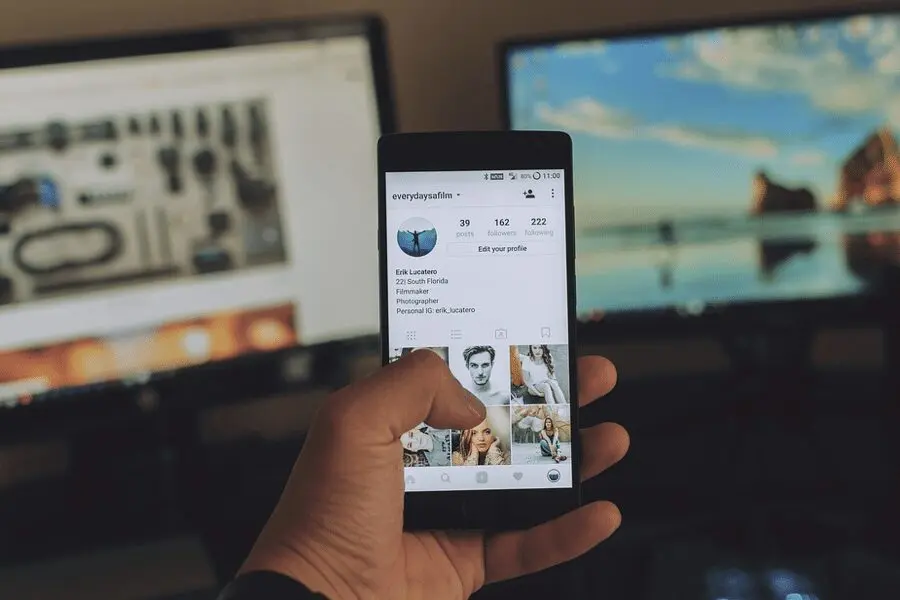
1. Snapchat cosmo after dark canceled.
The controversial channel was removed after only a week due to racy content and an outcry of parental concern.
2. Hootsuite updates.
You can now schedule, create boards, and post directly to Pinterest from the Hootsuite dashboard. No workarounds, just full integration.
Additionally, both Facebook and Instagram are changing the way partners, like Hootsuite, access data.
Want more tools to track mentions of your brand? Hootsuite Explore is hot on the case!
3. Thumb-stopping content.
The necessity for a reduced amount of text should be substituted with bolder, shorter wording and eye-catching visuals. Essentially, fewer words create a stronger impact. Focus on creative, visual content!
PPC
1. Import feeds with Bing Ads update.
Recently, Bing launched the ability to import product feeds from Google Merchant Center into Bing Merchant Center.
From the new Import tab in Bing Merchant Center (BMC), advertisers can sign into their Google Merchant Center accounts to pull in feeds directly. There is NO more having to upload product feeds to two separate places.
2. Google AdWords comments expanded.
Similar to Google Analytics annotations; Notes are now available at the account, campaign, and ad group levels in Google AdWords. This helps when changes are made that can affect results and allows for easier recollection to help understand why a metric may have gone up or down.
3. Bing Ads Editor now has the ability to add labels for MAC users.
(An added bonus PC users have been enjoying for years.)
4. In-market audiences debut.
Google first announced plans to release In-Market Audiences for search campaigns back at Google Marketing Next in May of last year. This month, Google and Bing rolled In-Market Audiences for Search out to all US advertisers.
Website/Development

1. Shopify sites.
The hosting platform is on fire right now with requests for e-commerce builds reaching a fever pitch. It’s a closed source system, but pretty user-friendly, and even handles a lot of the fulfillment legwork for you.
2. Fantasy.
For anyone following pop culture right now, you know Game of Thrones. It’s all about the mythical creatures, fantastical landscapes. In terms of the music, it’s epic orchestral music, and everybody is really excited about getting beyond the normal.
3. New Minimalism.
A lot of people will think about minimalism being a Scandinavian design concept with clean and crisp lines with lots of white. But now it’s still clean, but with more bold and vibrant colors and fluid styles.
4. Space.
With shows like Strangers Things and movies like Star Wars, the idea about space is that the future is now. We’ve got the field of robotics that is seemingly taking over our jobs and our careers, as well as automated cars that can function without us. People are really starting to explore this in their creative platforms.
Photography \ Creative

According to Getty Images, this year’s emerging visual trends are easy to spot in digital and social marketing campaigns.
For centuries, males have had their emotional complexity reduced to one problematic expression: anger. Now, images and ad campaigns are expanding stringent male stereotypes in an invitation for them to experience their full range of emotion. In other words, emoting males are the new normal.
Whether snaps are candid or carousel ads, those that gain the most traction are diverse, authentic, and inclusive. Many successful accounts and musicians are reimagining classical artworks and long-standing themes with traditionally underrepresented communities. An admonition to advertisers who have previously relied on whitewashed, homogenous campaigns – time to diversify.
Focuses on “authentic visual storytelling” (ie: images that are at once relatable and realistic). Be it through distortion, exaggeration, or reality-based imagery, we see, once again, strong social commentary leveraged to dislodge social milieus – like female menstruation – that were once taboo in the ad world.
Need a little help with your digital marketing launch? Let us send you into the stratosphere.
14 MUST-HAVE MARKETING TOOLS FOR YOUR DIGITAL TOOLBOX
Since the birth of simple machines, man has been building. As the world has become more wired, we’ve taken to constructing online. The instruments we use to form our creations have also changed. If you’re thinking of assembling an effective marketing strategy in 2018, make sure you fill your digital toolbox with these SEO and PPC tools.
SEO Tools
1. Screaming Frog
Duplicate data and broken links can sink your site. Screaming Frog is a well-known crawler tool that will scan up to 500 pages for free, alerting you of missing meta data, missing alt tags, auditing your redirects, etc.
2. Moz
One site, two services. Moz Pro is a lesson in SEO best practices like link building, google rankings, and content marketing. Moz Local handles SEO listings so you are more likely to show up in searches that pertain to your city.
3. Ahrefs
You can learn a lot from your competition. The big data compiled by Ahrefs shows you their backlinks, helps with keyword research, and allows you see what’s working for your industry.
4. Majestic
Search engine marketing is big business. Majestic gives you the tools you need for proper link intel. It has some PR peppered in, too. The SEO Backlink Checker and inbound links come with summary data that shows the authority and impact of each.
5. Mailshake
All hail email marketing. If you don’t have a huge listserv built, this cold email outreach tool can help. They have professional email templates for all your sales and marketing collateral. For about $20/month they’ll also let you automate scheduled follow ups and replies. Want to track clicks and open rates? They do that, too.
6. Hunter.io
On the flip side, if you want to focus on growing your electronic mailing list, Hunter helps you search out and verify the necessary email addresses.
7. VWO
Want to see which email subject lines or web copy is resonating with potential customers? This conversion optimization program supplies pertinent data regarding visitor research. It’ll also let you perform A/B testing so you can put out the most potent messages about your brand.
8. Spyfu
If you want to know which keywords your competitors are using to draw away your potential customers, this tool will let you download them directly—for free! Capitalize on their successes and avoid their mistakes with these key insights.
PPC Tools
1. Bing Ads Editor
Google may get a lot of airtime, but that doesn’t mean you should ignore the massive audience using Bing. Bing Ads Editor helps you speak directly to 5-10% of the market share that’s up for grabs. Manage ads, track your edits, and create killer PPC campaigns.
2. AdWords Editor
This software helps you manage your PPC accounts and edit your paid search campaigns on Google. The more accounts you have and the broader their individual scopes, the more essential it is.
3. Google Keyword Planner
Use this Google keyword tool during the planning phase of your pay-per-click campaign in Adwords. Features include monthly or yearly search volume calculators to see what users are asking and location targeting to give you an estimate of impressions for a specific area. It’ll also tell you what the competition is like and how much you want to budget for each keyword.
4. AdWords Performance Grader
Google will even grade how well your PPC campaign will perform. They put it through more than 40 checks, providing you additional management tools like A/B ad testing along the way. AdWords Performance Grader also comes with customizable reports of your audits so you can show your team what’s working.
5. Supermetrics
To help with monthly reporting, Supermetrics allows you to upload cost data from Bing Ads and Facebook ads into Google Analytics Cost Analysis report. Google Analytics connects to Google Adwords and pulls in your advertising spend, but does not do this for other channels; so measuring success showing “cost” out of the box is limited. Supermetrics automated this process for you to see paid media channels performance with “spend” data in Google Analytics.
6. SEMrush
And the competitor research just keeps coming! Get a look at their organic traffic, social media engagement, PPC campaigns, and even video ads. Use the entire suite to inform you of your own successful online marketing campaigns.
7. Dialog Tech
Believe it or not, phone calls still have their place in online marketing. The trick is to be able to track them. As audiences respond to your digital marketing or PPC campaigns Dialog Tech gives helps you handle call attribution and offers insights to help you optimize the customer experience.
Digital marketing trends change quickly, but the pillars of success remain the same. Keep an eye on what’s being done in your industry and continue hammering away with these online marketing tools.
Want an SEO foreman to oversee your progress? We’re definitely up for the job.
DIGITAL MARKETING TRENDS TO FUEL 2018: Q2
Part 2 of a quarterly digital marketing guide from our agency experts.
Globe Runners know how to use digital marketing trends to create liftoff. We’re not in the business of staying grounded; we’re in the business of sending our clients to new heights. To do that, we spend a considerable amount of manpower cataloging the digital landscape.
With this aerial view, we can anticipate SEO updates and algorithm changes before they make an impact. We also use it to implement technical strategies to search and social media marketing that help our digital advertising campaigns fire on all cylinders.
Here’s your quarterly look from our vantage point:
Technical SEO/Link Building:
- Ahrefs updates domain ranking to better reflect SERPs
Moving away from website authority as calculated by search rankings, the new update ranks your domain as compared to its “link popularity” against other sites on the web. It scales from 0 to 100, and after some quick computations, it spits out a DR score based on the websites that link to yours.
The Ahrefs update comes in an effort to be more transparent about how sites are ranked. It also aims to clear up misinformation about the former DR scale.
If you’ve seen a change, have your SEO agency check the following for a more accurate review:
- Cumulative search traffic
- Your site’s top 100 ranking keywords and the positions of the most relevant ones
- Total quality websites, including page and content, of those linking to you
- March 12 algorithm update
With this update, the quality of your content is safe. The core update was designed to prioritize SERP (search engine results page) quality. The Google update was also structured to reward quality sites that hadn’t been ranking well as opposed to penalizing those that broke the new rules.
Many of our clients have been pleased by these new parameters Google is now using to determine what defines a quality site. Of course, if you were negatively affected by this string of March 2018 Google Updates, we’ll happily help you course correct.
- Google replaces SERPs with answers structured data queries

If someone goes to Google looking for a quick answer with a straightforward question like, “what is the capital of Costa Rica?” or “how many calories are in a margarita?” an answer box will appear.
This update is a huge benefit to the user, but not website owners (unless you are the authoritative website that Google is pulling the answer from), as it will lessen the click-through rate in organic search results.
Local SEO/Citation Updates:
- Be Proactive on Google My Business
Last quarter, you heard us talk about the new Google Q&A section located in the knowledge panel. Here’s how to stay active with it.
- New features include Google Q&A, which currently doesn’t have notifications. Check for feedback regularly and monitor for questions about your business. Being proactive means you can even post FAQ’s as a business with answers.

- Chat on Google My Business is another new feature that can be enabled, providing another way to reach prospective customers and respond to questions or concerns.
- Google posts are becoming a strategic way for brands to stand out in the knowledge graph and Google Maps. Posts can be scheduled and planned ahead of time for promotions, special events, etc.
Taking these actions on GMB will improve click-through rate, earning more website visits, phone calls, and in-store visits.
- Review Response
Everyone knows reviews are important, but a response to a review is just as valuable. Even if you have 20+ reviews with 5 stars each, posting a response to each one will take you above and beyond. Instead of a generic, “thanks for sharing your experience,” include more context. Have a dialogue in your follow up. Look up customers in your CRM database and see what products/services were purchased. For an auto shop, your response can become, “Jim, thank you so much for sharing your experience. Congrats again on adding a new member to your family. Your Chrysler Pacifica is tuned up and ready to perform for your road trip this summer.”
A response like this is personal and highlights the level of care you’re likely to see at this auto shop.
- It’s not all about the Reviews
There’s more to great marketing than collecting positive reviews. You might be getting testimonial letters sent to your company, survey responses, and emailed feedback. Take a look at all your interactions with customers and where their feedback is published. Use that content in a testimonial on the website.
For B2B, it can be hard to generate reviews. It can be easier to start with logos of companies you work with. Work up to asking for quotes that can be used as testimonials from your client contact.
A case study is the final tier of reputation management. It can take more effort to gain approval and write case studies for clients, but it’s worth getting several published for each location of your business.
Consider a project page if approval from clients is unlikely. An interactive map of projects completed in your location is a great way to visualize projects in your market. Nearby Now and other tools allow for your crew to simply log a new quote on a smartphone. The tool takes care of the rest, uploading the location and details of a project to the website.
Enhance your location pages with testimonials, case studies, and projects in that market. It will help you stand out from competition, add valuable content for Google, and improve conversions.
Social Media and Content Marketing:
- Demand for mobile-ready content
Google’s mobile-first algorithm, set to launch next year, will soon rank and index sites based on their mobile content. This will be a huge departure. While it’s far from the death of desktop, ranking well will soon require webmasters to prioritize the user experience. That’s happening more and more on our phones with over half of all searches being conducted from our hands, not our laps.
While no one knows exactly when the transition will occur, it’s best to prepare now. Taken in batches, it could save you from a disastrous algorithm update.
- IG dominates in engagement rates
Poised to surpass the 1 Billion mark by year’s end, Instagram continues to dwarf rival social media networks. Thanks to the early and sustained adoption of hashtags, more than ¾ of businesses are finding increased opportunities for engagement and user-generated content.
Ads rake in billions of dollars each year with brands capitalizing on story advertising. Geo-tagging is also increasing engagement, offering brands one more win for their digital toolbox. Want to continue capitalizing on the engagement bandwagon? Post photos with faces!
- Snapchat update will create a rise in IG, and even FB, stories
It’s normal to expect a bit of backlash when a company unveils a new update. But the fervor with which users have rejected Snapchat’s latest interface is nothing short of unprecedented. Snippy snapchatters have even petitioned on Change.org for a reversal, amassing more than 750K signatures and counting.
Good news for Instagram and Facebooks stories, though. They’ve siphoned off user overflow in the process and marveled at their increased online engagement. Could the switch be permanent? We’ll be keeping watch.
PPC:
- Changes to AdWords ad policies to comply with the GDPR
Changes from the other side of the pond have washed up stateside. Namely, Europe’s new General Data Protection Regulation. Google AdWords is responding in kind by, “require[ing] that publishers take extra steps in obtaining consent from their users.”
- Shoptalk: new shopping actions program that offers a universal cart
In an effort to stay competitive with the ‘Zon, a new Google initiative will shake up the typical PPC campaign model for big companies like Target, Costco, and others. They’re moving to cost-per-sale instead but made sure to specify that organic rankings would remain constant.
- AdWords interface change
Snapchat isn’t the only one unveiling a new interface. AdWords is sporting a new overview and home that tab that lets you quickly visualize some top-level data in your account. Navigation, native reporting, and added extensions are some of the touted ‘improvements,’ but feedback from PPC managers has been mixed so far.
Creative/Art Direction:
- Simpler is always better
With Twitter, Instagram stories and .06 non-skippable ads, we need to be quick, to-the-point, and relevant. In other words, we need the nuggets. Tailor your online content so it can be absorbed in the instant-gratification-pace of your audience.
- Phone-ing it in
Large screens, high resolution, budget-friendly tools, and vids with an intimate feel—these are the draws of making movies on an iPhone. They’re also just some of the reasons marketers and even filmmakers are using our magic handheld devices to create their masterpieces.
More and more, we’re learning that with talent and insight, smartphones can be powerful marketing tools. Since phones are our most familiar medium, it only makes sense to continue utilizing them and their plethora of apps to create viral digital marketing content.
- Sharing stories, finding a way to relate
Marketers are natural storytellers. Whether using catchy social media posts, intruding web copy, or snappy branding, the goal remains the same: tell the story behind the brands. It’s a human-centric approach that’s aimed at finding new ways to share common ground with their consumers. These inroads offer their customers and clients new ways to consider a marketer’s brand.
If you want to make a personal connection, but aren’t sure where to begin, why not start by sharing a bit about the people behind your product? The men and women beyond the work are likely some of your most unique marketing collateral.
Need a little help with your digital marketing launch? Let us send you into the stratosphere